
The skin barrier under pressure:
Why fall and winter are driving the rise of climate-adaptive beauty
As temperatures drop and indoor heating ramps up, consumers often notice the same familiar pattern: tighter skin, increased sensitivity, visible flaking, redness, and a loss of radiance. While these symptoms are often described simply as “winter dryness,” the underlying issue is far more complex. The transition from summer into fall and winter creates significant stress on the skin barrier, making barrier health one of the most important themes in skincare today.
This seasonal challenge is also fueling the growth of climate-adaptive beauty: products designed to help skin remain resilient in changing environmental conditions by supporting hydration, barrier function, microbiome balance, and protection from environmental stressors.
Understanding the skin barrier
The skin barrier, located primarily within the stratum corneum, serves as the body’s first line of defense. It consists of corneocytes (“bricks”) embedded in a matrix of lipids (“mortar”), primarily ceramides, cholesterol, free fatty acids.
These lipids help regulate transepidermal water loss (TEWL) while protecting skin from irritants, allergens, pollution, and microbial challenges.
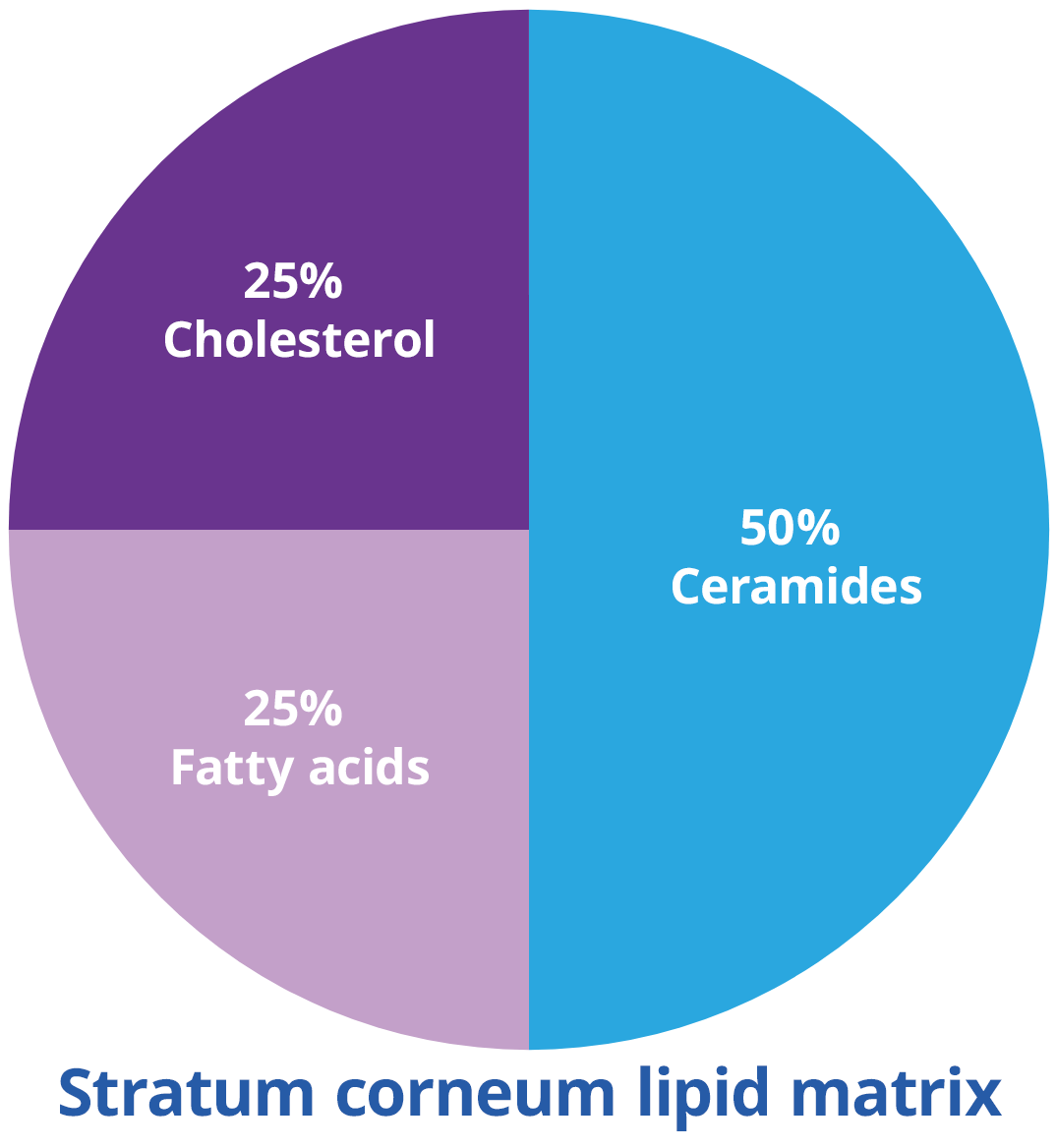
Research has shown that the stratum corneum lipid matrix is composed of approximately 50% ceramides, 25% cholesterol, and 25% free fatty acids by weight, highlighting the critical role ceramides play in maintaining barrier integrity.
When the barrier is healthy, skin remains hydrated, comfortable, and resilient. When compromised, TEWL increases and skin becomes more reactive and sensitive.
What happens to skin during the fall-to-winter transition?
The rise of climate-adaptive beauty
Consumers increasingly expect products that perform consistently despite changing weather conditions.
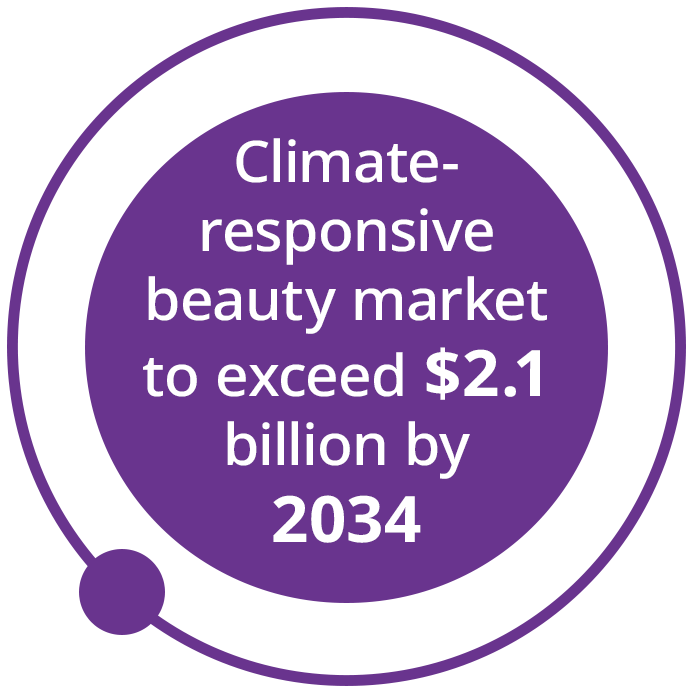
According to Cosmetics & Toiletries, the global climate-responsive beauty category is projected to grow from $225.6 million in 2024 to more than $2.1 billion by 2034, reflecting growing consumer demand for products that address environmental stressors such as temperature fluctuations, pollution, UV exposure, and seasonal changes.¹
Climate-adaptive beauty focuses on:
- Barrier reinforcement
- Hydration management
- Environmental stress protection
- Microbiome support
- Long-term skin resilience
Rather than treating symptoms after barrier damage occurs, climate-adaptive products help skin adapt proactively to environmental changes.
(¹Reference: Climate-Adaptive Beauty: Real-Time Adaptation, Stress ‘Training’ for Skin, Clean Credibility, Multi-Stress Protection and More | Cosmetics & Toiletries)
Why barrier health is becoming the new definition of healthy skin
Recent consumer research shows growing awareness of the connection between barrier function and overall skin health.
According to various reports:
- Consumer conversations around skin barrier protection have increased by 88% over the past two years.
(Reference: Beyond Skincare Protection | Mintel) - According to research published by Cerave, involving 6,000 EU consumers:
(Reference: Why Skin Barrier Protection is Beauty’s Next Big Trend)- 81% believe protecting skin from environmental stressors is important.
- 50% report dryness linked to environmental or weather change
- 47% report skin is more sensitive compared to 5 years ago
- 90% are concerned by at least one environmental factor affecting skin.
This gap presents a major opportunity for brands focused on preventative skin health and barrier resilience.

Ingredient inspiration:
Hydrasensyl Glucan Green
Multifunctional beta-glucan that reduces UV-induced redness appearance and restores hydration, comfort, and barrier resilience
Patch2O
Creates a moisturizing reservoir on skin for immediate and long-lasting hydration and comfort
Hydagen Aquaporin
Aquaporin-inspired hydration booster that supports the skin’s natural ability to distribute and retain moisture
Ameriflor Calm
Supports skin’s resilience and reduces the appearance of redness by boosting barrier integrity
PeptAIde 4.0
Promotes a firmer, smoother, and more resilient-looking complexion through advanced peptide technology
Irwinol
Mango-derived active designed to improve the appearance and feel of dry lips and skin.
Phytosoothe
Protection of both the physical and microbiotic skin barrier. Improving skin hydration and soothing properties.
Ceressence Line
(Ceressence NP, Ceressence 3, Ceressence Aquax, and Ceressence Max)
helps reinforce skin’s natural protective barrier, reducing moisture loss while enhancing hydration, comfort, and overall skin health.
Purisoft
Anti-pollution active that helps shield skin from environmental aggressors while supporting a cleaner, healthier-looking complexion
Ciste’M
Helps protect against visible signs of multi-light and environmental stress while supporting healthy skin recovery

Leave A Comment
You must be logged in to post a comment.