

What’s happening?
On June 9, 2026, the FDA added bemotizinol (BEMT) to the list of permitted sunscreen active ingredients. BEMT is now the first UV filter added to the OTC sunscreen monograph in 25+ years, making it a major win for SPF innovation in the United States. It will be allowed for use in concentrations up to 6% for adults and children 6 months and older.
Read More: DA Expands Sunscreen Options for the First Time in 20 Years | FDA
It has been anticipated that the suncare market is expected to grow due to the addition of BEMT to the OTC sunscreen monograph, breathing new life into the previously stagnant SPF category.

Also increasing the momentum in the suncare space is the popularity of makeup and skincare hybrids, including makeup, primers, and lip care. According to Spate’s Popularity Index (US, ending March 2026) the following saw increases in popularity year-over-year:
Hover over the images below to view the percentages!
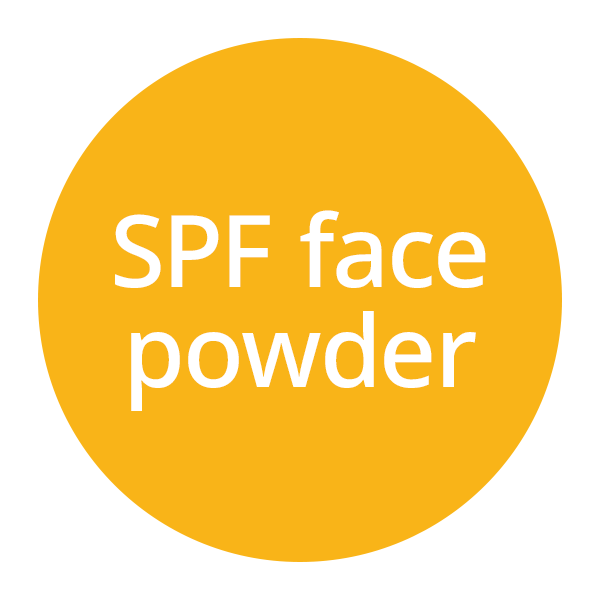
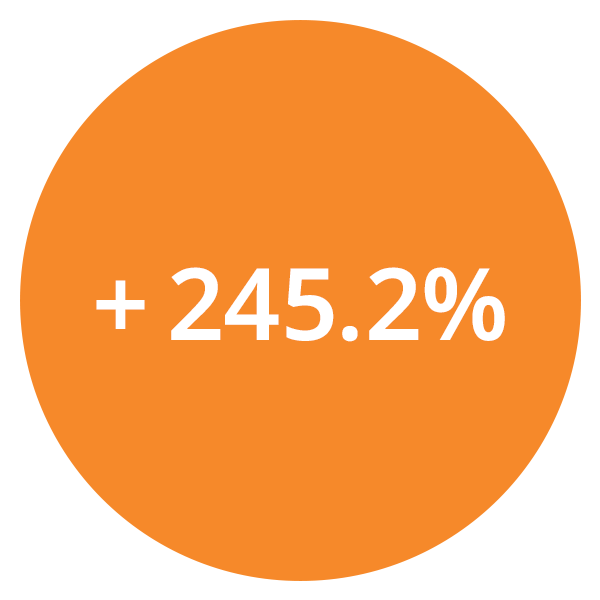
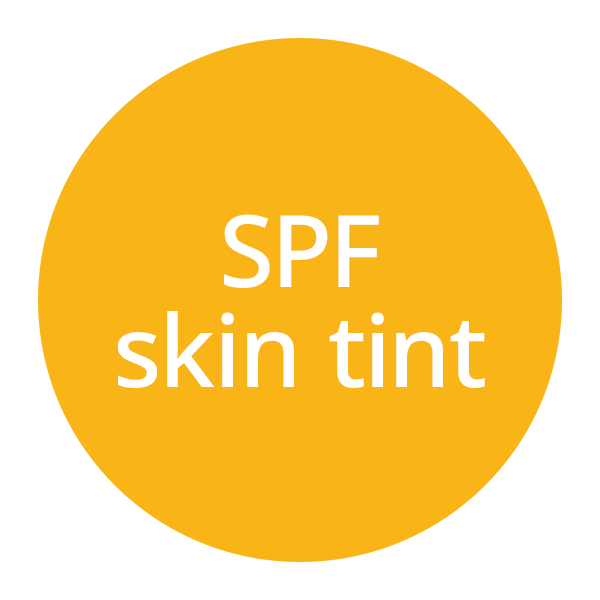



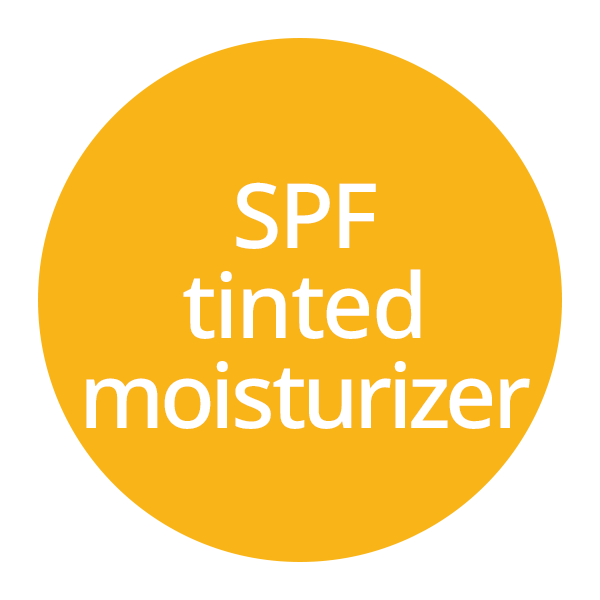


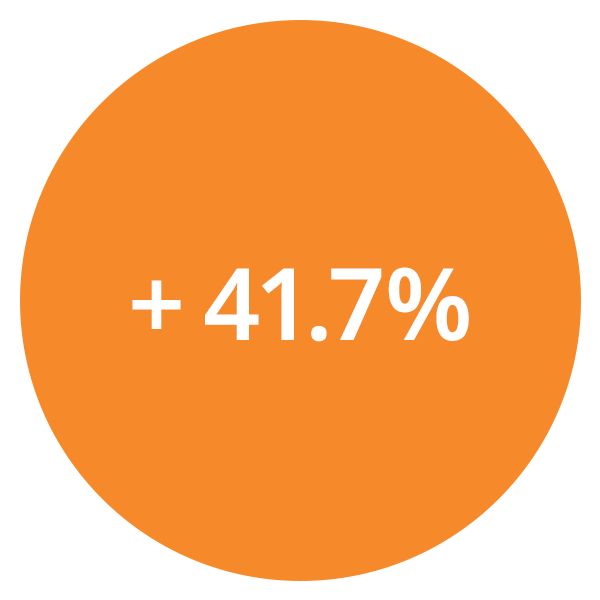
Spate data also shows a growing increase in bioactive ingredients within suncare, with consumer engagement and searches rising (year-over-year) around SPF formulations containing ingredients like collagen, and beta-glucan.
What is BEMT?
Known chemically as Bis-Ethylhexyloxyphenol Methoxyphenyl Triazine, BEMT is a highly efficient broad-range UVB and UVA filter that has an extensive history of being used globally. Featuring absorption peaks at approximately 310 nm and 340 nm, it provides broad-spectrum protection against UV wavelengths associated with skin damage and premature aging.
BEMT delivers more than broad UV protection—it also helps improve the photostability of sunscreen formulations. By stabilizing filters such as avobenzone, it supports longer-lasting UVA defense and enhanced formula performance. In the U.S. market, where achieving strong UVA coverage can be challenging, it works synergistically with avobenzone or zinc oxide to help formulators reach a critical wavelength above 370 nm and provide effective broad-spectrum protection.
The large molecular size of BEMT limits percutaneous absorption, helping to reduce the potential for skin irritation. As a result, it is well-suited for advanced sun care formulations designed to deliver effective protection while maintaining skin compatibility.


Looking for formula inspiration?
We can help with that too!

Ingredients
Cutina® Shine

Prototype formulations

Leave A Comment
You must be logged in to post a comment.